

Boosting Britain’s Local Food Economies Through Public Procurement
As inflation soars and supply chain disruptions continue in the wake of the pandemic and Ukraine war, food prices have skyrocketed across the UK, and the need for planning in consideration of the effects of climate change. In this challenging environment, research was commissioned by a Local Authority (under competitive tender) to look at innovative initiatives to make local economies more resilient to external disturbances by increasing local food supply and increasing procurement of locally sourced food for public institutions like schools, hospitals, and care homes.
The research consisted of online surveys and interviews with the area’s food producers, wholesale distributors, and procurement personnel. Coupled with the background to the situation and what others have done, in providing best practice direction and opportunity – such as ‘buy local’ campaigns emphasising health and value over price, the exploration of various business and scaling models, among other strategies.
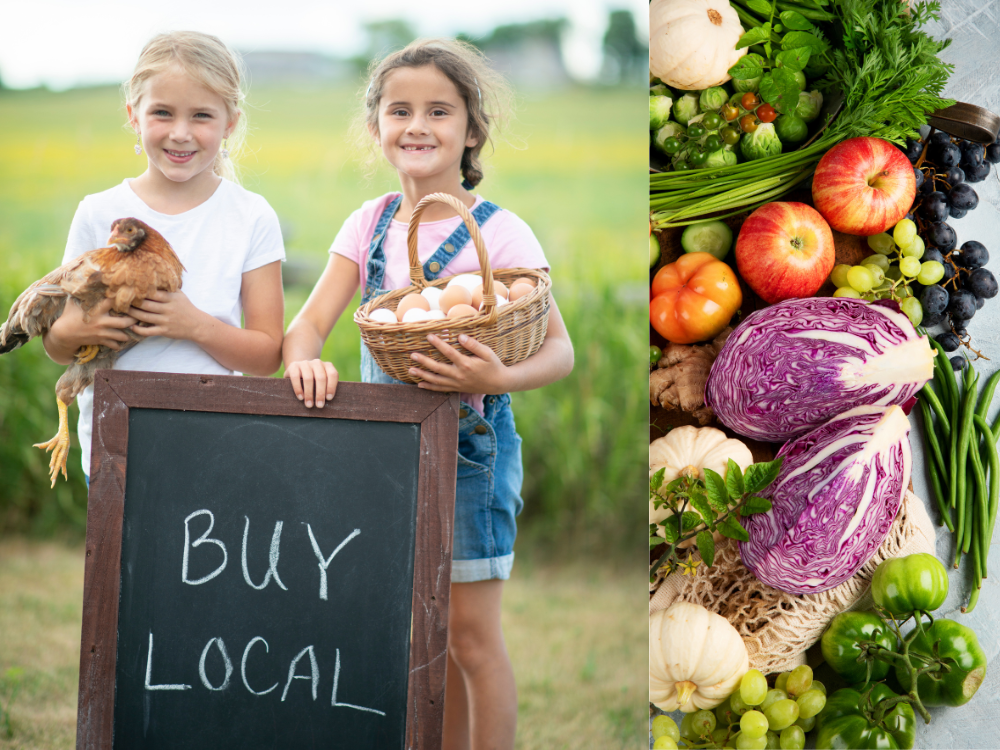
Not only does this “Buy Local” approach provide fresher, more sustainable food options, but it also creates a powerful multiplier effect across the local economy – increasing local employment, health, stimulating business growth, etc. With food imports more volatile and expensive, the research strengthened the argument that regional self-reliance is becoming an economic and food security imperative.
The Need to Shorten Food Supply Chains
Why was this procurement initiative so vital? By shifting more of the significant local public sector food budgets for public institutions toward local growers, producers and distributors, it:
- Creates Agricultural Jobs – Orders from schools, hospitals etc. increase demand that local farms and processors can step up to when given the opportunity.
- Reduces Food Miles/Emissions – Less long-distance trucking from overseas and even within the UK when sourcing regionally.
- Improves Community Food Access – Nutrient-rich local produce becomes more available in local shops. Local allotments/gardens and schools were encouraged to grow, including visits to local farms and processors.
- Circulates Money Locally – Public money spent stays circulating within and benefiting surrounding communities and businesses – our economic foundation. Opportunities are opened for resource sharing, reusing, repairing, refurbishing, and recycling, for a more circular economy.
- Increases Resilience – Developing robust regional food systems reduces reliance on vulnerable global supply chains.
Enabling Institutional “Buy Local”
Our role was proposing included strategies to connect large public buyers with local suppliers across the Local Borough, regionally and nationally. This involved:
- Supplier Mapping & Vetting – identifying farms, processors, and distributors qualified to meet demand, such as for eggs, meat, dairy, produce, and more.
- Buyer Engagement & Training – informing public purchasers like schools on the benefits of local procurement purchases, logistics, and transitioning to more local sourcing.
- Building Procurement Platforms – enabling buyers to easily find, and order quality local options and substitutes.
- Implementing Incentives – helping distribute funding and create policies rewarding institutions that participate.
- Convening Supply Networks – facilitating partnerships between buyers, suppliers, distributors, and government bodies.
Positive impacts include:
– Schools procure more locally sourced ingredients for healthier, fresher meals and educational visits to farms.
– More produce now comes from regional growers within 100 miles
– New jobs created by local food companies to meet increased demand
– For every pound switched, there could be an extra £4 circulating within the local economy via the multiplier effect from public procurement
This research initiative exemplifies how smarter supply chain policies can bolster food security, support British farmers and producers, and deliver economic resilience when imports are volatile. Our integrated approach can potentially help build regional food ecosystems that keep more public money circulating locally, where local procurement strategies, can be a recipe for stronger local economies and food systems.